
"G4 coffee"
800 article(s) found
Djimmah accounts for about 50% of Ethiopia's annual output (1000000bags/60kg).
Djimmah, which accounts for about 50 per cent of Ethiopia's annual output (1000000bags/60kg), grows between 4400 and 6000 feet above sea level in the southwestern highlands of the country (the border between Kaffa and Illubabor provinces) and is usually exported by G5/G4. However, in recent years, about 10% or 20% of Gima has been used to make up for the lack of taste of coffee, but its quality has gradually declined.

Introduction to the grinding treatment method for the flavor and taste characteristics of coffee brands in Ethiopia
Ethiopian Coffee Flavor treatment Variety characteristics growing in Western Ethiopia 4900-5900 feet (Wollega province) plateau, north of Jima, mostly wild, annual output is about 500000bags/60kg, export to G5/G4, bean body is larger and longer than Longberry, a little brown in green, taste similar to less jasmine tea, more bitter, lack of rising Hara, slightly sour
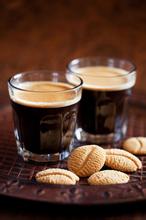
Sidamo Coffee Flavor taste the characteristics of the manor producing area Sidamo Shakiso coffee boutique coffee beans
Growing in western Ethiopia, 4900-5900 feet (Wollega province) plateau, north of Jima, mostly wild, annual output is about 500000bags/60kg, export is mostly G5/G4, bean body is larger and longer than Longberry, a little brown in green, taste similar to less jasmine tea, more bitter, lack of rising Hara, slightly sour, slightly fruity and wine aroma, but slightly inferior to Hara.

Gima is a little sour, but slightly inferior to Hara, with a medium texture and rugged earthy flavor.
Djimmah, which accounts for about 50 per cent of Ethiopia's annual output (1000000bags/60kg), grows between 4400 and 6000 feet above sea level in the southwestern highlands of the country (the border between Kaffa and Illubabor provinces) and is usually exported by G5/G4. However, in recent years, about 10% or 20% of Gima has been used to make up for the lack of taste of coffee, but its quality has gradually declined.
How much do you know about the coffee producing areas in Ethiopia?
Following caf é (Wechat official account vdailycom) found that Beautiful Cafe opened a small shop of its own. What else is there besides Yega Xuefei, the coffee producing area of Ethiopia? Ethiopia, an ancient country on the African continent, is the hometown of Arabica coffee. It is in the forests of the Kaffa region that you can see wild Arabica coffee. Coffee is in Ethiopia.
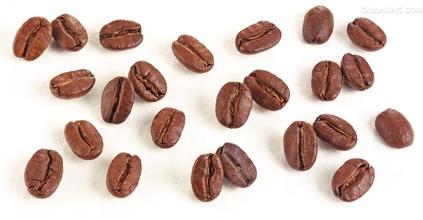
Ethel Biaxidamo G1 Solar Coffee Bean Flavor description Variety taste area introduction
In order to produce high-quality coffee beans, professional management team will make full use of shade trees and natural conditions. in the production of high-quality coffee while minimizing the impact on the natural environment. In this way, we can protect the ecological environment, social development and the well-being of community workers.

Ethiopian coffee taste
Ethiopian Coffee Taste concern Review (official Wechat account vdailycom) found that the natural characteristics of coffee beans in a beautiful cafe to open its own small shop include large

Description of the taste of Manning Sidamoye plus snow coffee beans
Manning Sidamoye Snow Coffee Coffee beans taste description Water washing: Grade-1;Grade-2 (G1G2) Sun: Grade-1 and Grade-3~Grade-5 (G1G3G4G5) A few notes: a) both washing and sun exposure, there is Gr-1, provided that there are zero defects and Premium Cup. Whether it's washing or tanning, Gr-1 is the best of the boutique or Cup of Excellence coffee.

A brief introduction to the cultivation of lively and sour Sidamo Shakiso boutique coffee beans, geographical location, climate and altitude
[sun Sidamo]: the bean body is smaller than Longberry, and it is yellowish in green. in the sun drying field of Sidamo, the coffee is placed in the hemp net wooden frame, and the workers take turns to stir the coffee manually in the sun. Sidamo is usually marked with G4 exit, washing Sidamo because the treatment process is more perfect, so most of them export G2 grade after harvest.

Description of Flavor and Flavor of Solar Sidamo G1 Coffee Bean
Description of Grinding scale Flavor of Solar Sidamo G1 Coffee beans [Solar Coffee scale]: the body of beans is smaller than Longberry and yellowish in green. in the sun drying field of Sidamo, the coffee is placed in a hemp net wooden rack, and workers take turns to stir the coffee manually under the exposure of the sun. Sidamo is usually marked with G4 exit, washing the Sidamo place.

Flavor and taste characteristics of Sidamo Lion King Coffee beans Grinding Calibration varieties
Sidamo Lion King Coffee Bean Flavor and Taste treatment method Grinding Calibration Variety [Sun Citama]: the bean body is smaller than Longberry, and it is yellowish in green. in the sun drying field of Sidamo, the coffee is placed in a hemp net wooden frame, and the workers take turns to stir the coffee manually under the sun exposure. Citama in the sun is usually marked as G4 exit, washing Sidamo because it has been treated.

Sidamo Lion King Coffee Bean Flavor description characteristics Grinding scale varieties
Sidamo Lion King Coffee Bean Flavor description characteristics Grinding scale Variety [Sun Cedamo]: the bean body is smaller than Longberry and yellowish in green. in the sun drying field of Sidamo, the coffee is placed in a hemp net wooden rack, and the workers take turns to stir the coffee manually under the exposure of the sun. Sidamo is usually marked with G4 exit, washing Sidamo because of the relatively daily treatment process.
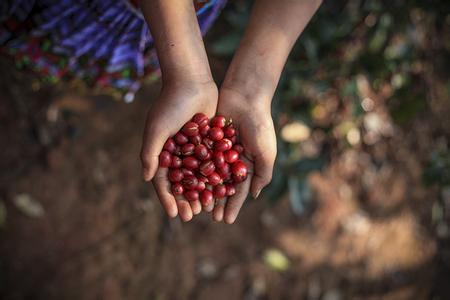
Flavor description of Danqi Meng Coffee Bean A brief introduction to the Variety Manor in the producing area
Flavor description of Danqi Dream Coffee beans A brief introduction to the taste of the varieties produced in the manor. [taste characteristics]: the taste is clean and multi-layered. Balanced by the flavors of peaches, berries, passion fruit, cream and milk chocolate. It's a classic good coffee. From hot to cold, it constantly brings night flowers, blueberries, fragrant wood, cocoa and other surprises. Candle [Origin of name]: Drima

Ethiopian Coffee Manor Fine Coffee Bean Origin, Development, History and Culture
It has been estimated that there are at least 2000 varieties of Ethiopian coffee and even more than 4500 kinds of coffee. Compared with the fat posture of Bourbon SL28, the main variety next to Kenya to the south, or Tibica in Central and South America and Asia, Ethiopian beans look a little malnourished. But beans can't be judged by appearance, and Ethiopian coffee has the highest citrus flavor in the world, whether it's instant coffee or

Introduction to the taste grinding degree of Ethiopian coffee flavor description method
At present, about 25% of the Ethiopian population directly or indirectly depends on coffee production for a living. The majority of farmers use traditional planting methods. Artificial care of coffee trees, the use of organic fertilizers, do not use harmful pesticides and herbicides, etc. Therefore, most of the coffee produced by Ethiopia is organic coffee. Due to different planting methods, coffee can be divided into forest-semi-forest coffee (Forest or semi-f).

Flavor description of Ethiopian Honey Coffee beans introduction to Grinding scale Variety Manor
The Flavor description of Ethiopian Honey Kiss Coffee beans Grinding scale Variety Manor introduces that Ethiopia grows coffee in different climatic zones, so it has more than 140 farm varieties, and fresh coffee is produced all the year round. The quality of Ethiopian coffee varies according to different elevations and regional ecological environment. Harar coffee in the southeast highlands is a typical Muhaka.

A brief introduction to the producing area of Ethiopian coffee beans by taste and flavor description method
Brief introduction to the producing area of Ethiopian coffee beans grown on the plateau of 4900-5900 feet (Wollega province) above sea level in Western Ethiopia, north of Jima, most of them are wild, with an annual output of about 500000bags/60kg, and most of them are exported to G5/G4. The beans are larger and longer than Longberry, with a little brown in green, similar to the taste of jasmine tea, bitter, and lack of upsurge.

Guji, Ethiopia G1 washed sun-cured coffee beans flavor description treatment of variety characteristics
Ethiopian coffee flavor description introduces Ethiopia's Yirgacheffe coffee, although petite, it is gentle and delicate, sweet and lovely. As the hometown of coffee, thousands of years of planting history and processing tradition in Ethiopia have created high-quality washed Arabica beans. Light baking has a unique sweet aroma of lemon, flower and honey, with soft acidity.
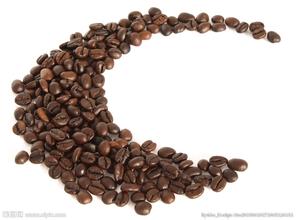
Introduction to the quality characteristics of the Lion King Flavor description method in Sidamo, Ethiopia
Ethiopian coffee beans introduce Ethiopia's Yirgacheffe coffee, although petite, it is gentle and delicate, sweet and lovely. As the hometown of coffee, thousands of years of planting history and processing tradition in Ethiopia have created high-quality washed Arabica beans. Light baking has unique sweet aromas of lemon, flower and honey, soft acidity and citrus.
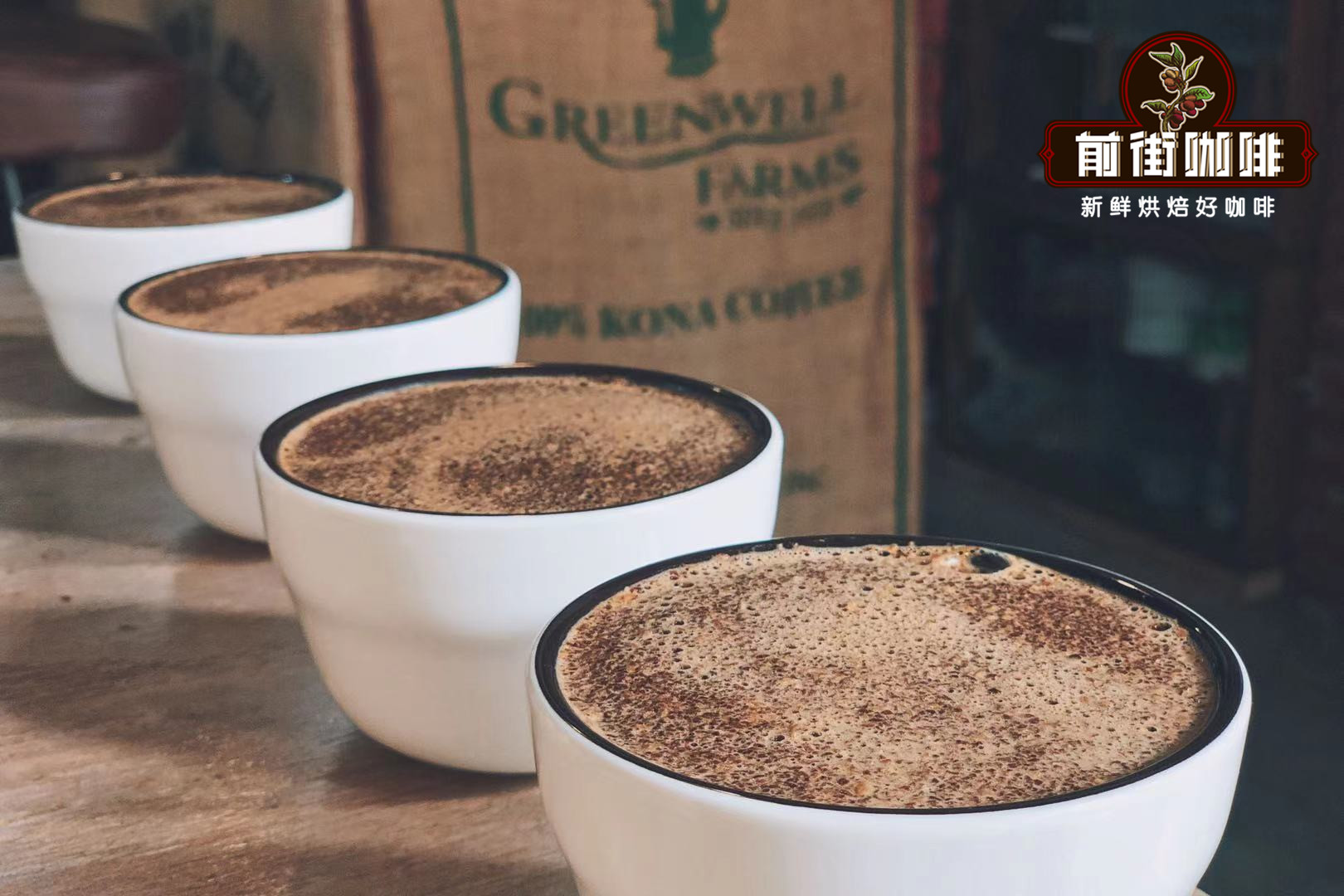
The difference between G1 and G2 coffee beans introduced what is the coffee grading system in Ethiopia
The difference between G 1 and G 2 coffee beans the difference between G 1 and G 2 coffee beans is introduced by putting the mellow beans into the pool and moving back and forth, using the friction of the beans and the power of running water to wash the coffee beans until smooth and clean. After washing, the coffee beans are still wrapped in the pericarp with a moisture content of 50%, which must be dried to reduce the moisture content to 12%, otherwise they